Pull up a chair. Pick a rock. Let’s find out what makes it special.
MINERAL · 01Pyrite
MAYA’S DISCOVERY NOTES
A golden surprise
1
Spot a clue
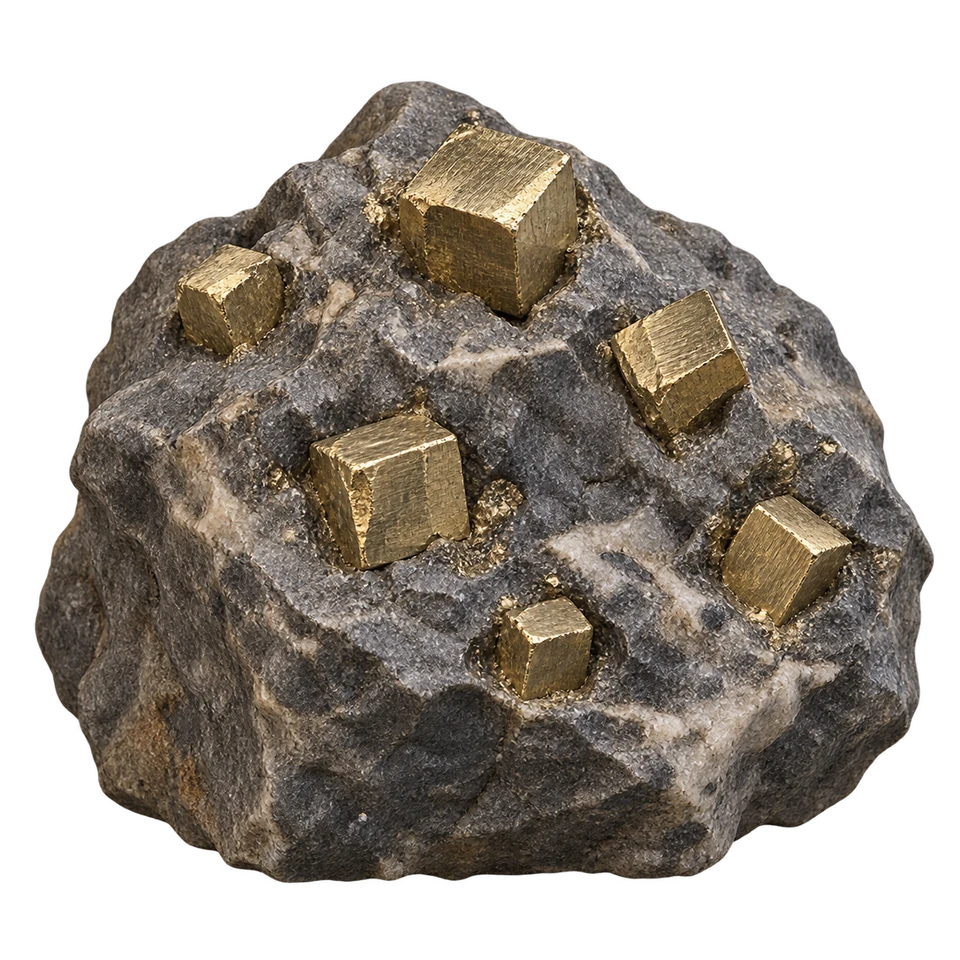
Can you spot the golden cubes? Some have tiny lines across their flat faces.
2
Make a discovery
This shiny mineral is called pyrite. It can look like gold, but it is a different mineral.
3
Learn from the clue
Geologists study pyrite as a clue to how mineral deposits formed.
Look together Can you find a square face on one of the crystals?
MINERAL · 02Malachite
MAYA’S DISCOVERY NOTES
A bright green clue
1
Spot a clue
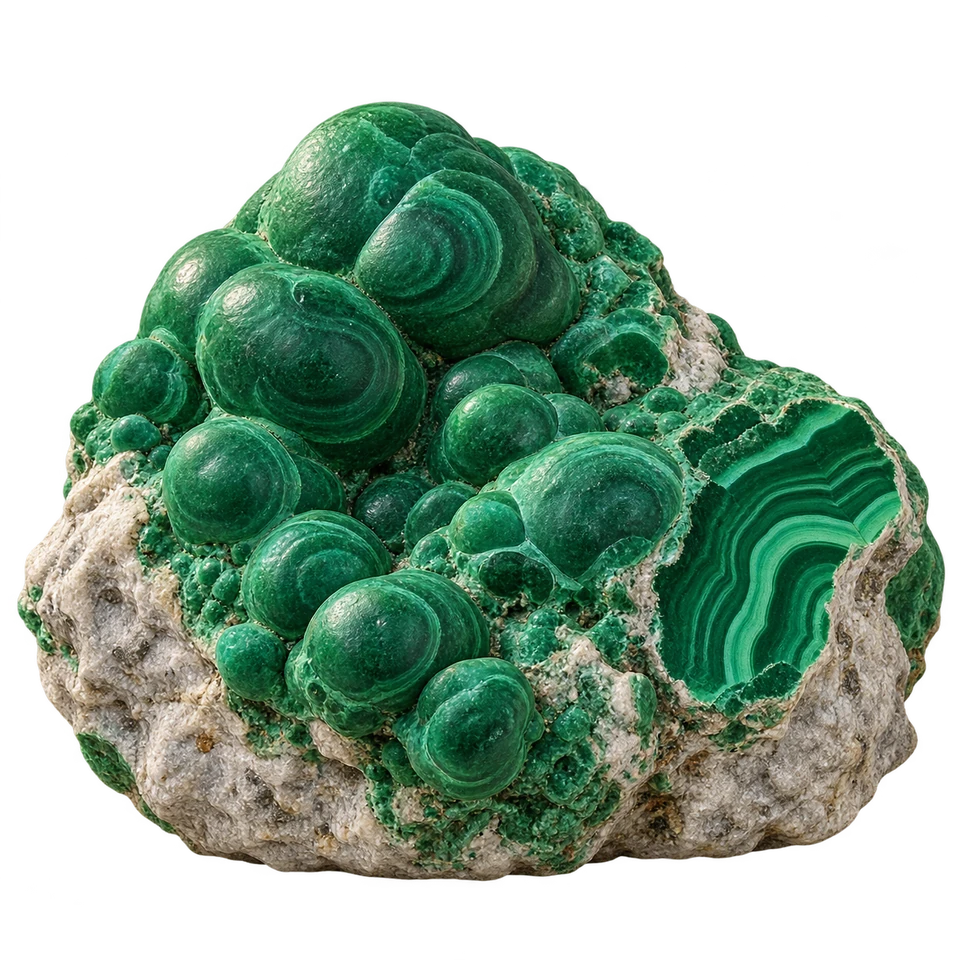
Look at those green bumps and stripes. How many shades of green can you see?
2
Make a discovery
Malachite is a mineral that contains copper. Copper can be found in several different minerals.
3
See how we use it
After processing copper ores, people can make copper wire. The wire carries electricity to lights and motors.
Look together What lights can you spot in your room?
MINERAL · 03Quartz
MAYA’S DISCOVERY NOTES
Points of discovery
1
Spot a clue
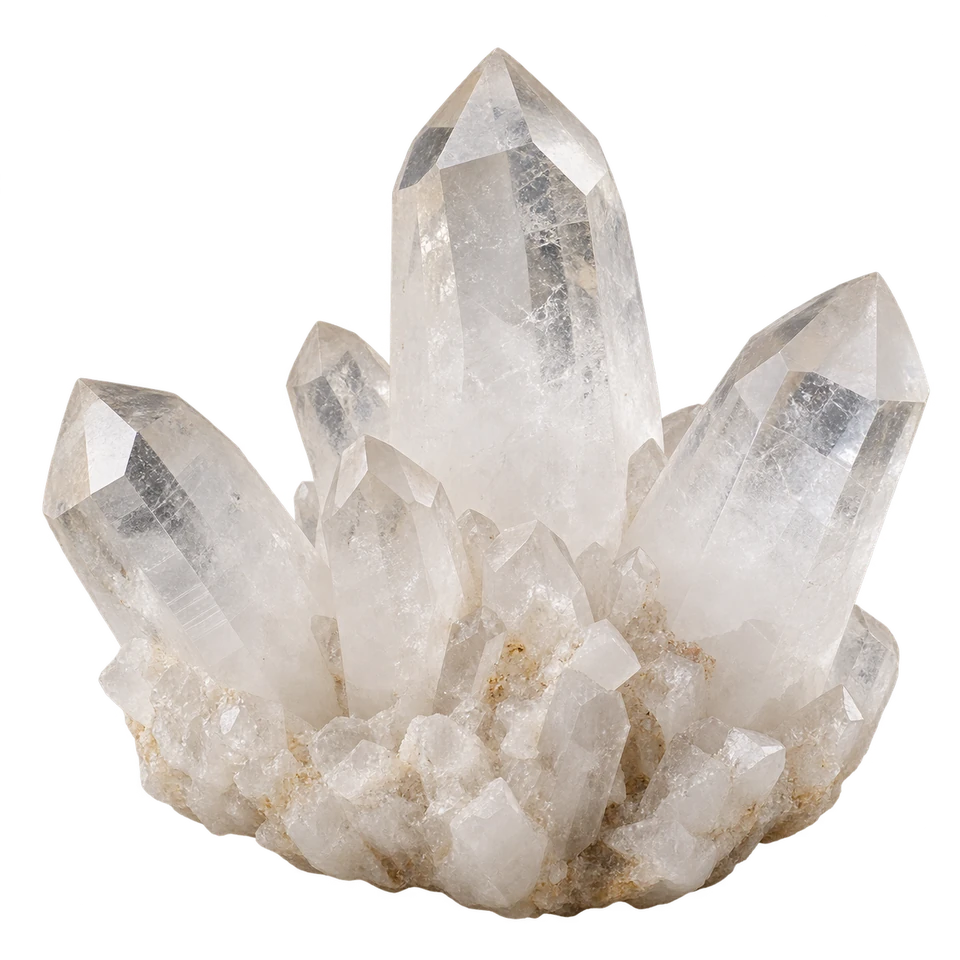
Some crystals look clear. Others look cloudy. Follow a crystal up to its pointed tip.
2
Make a discovery
Quartz is a mineral found in many rocks. Its crystals can grow with six sides.
3
See how we use it
Tiny quartz crystals, often grown specially, help many watches and clocks keep time.
Look together Can you point to the tallest crystal?
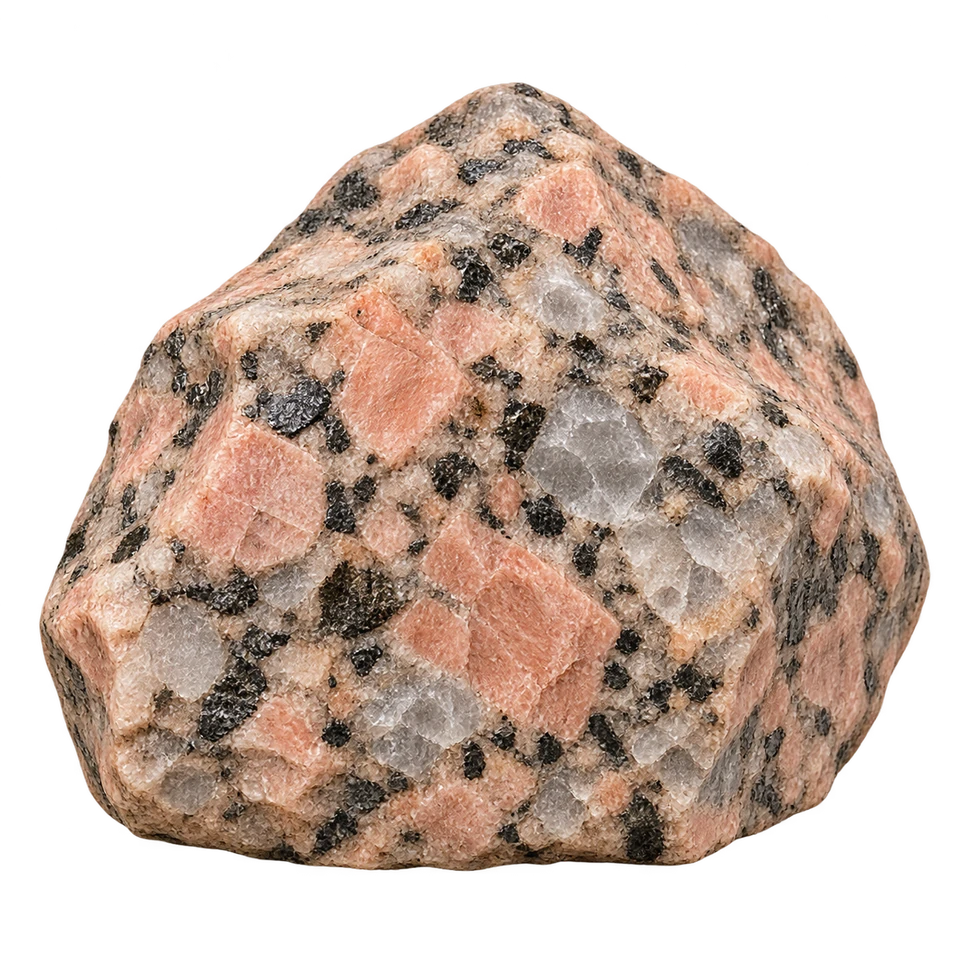
ROCK · 04Granite
MAYA’S DISCOVERY NOTES
A rock full of pieces
1
Spot a clue
Find the pink, grey and black pieces. They fit together like a tiny puzzle.
2
Make a discovery
Granite contains different minerals, including quartz, feldspar and mica. It formed as melted rock cooled underground.
3
See how we use it
People cut strong granite into building stone, paving and kitchen benchtops.
Look together Which colour would you look for first?
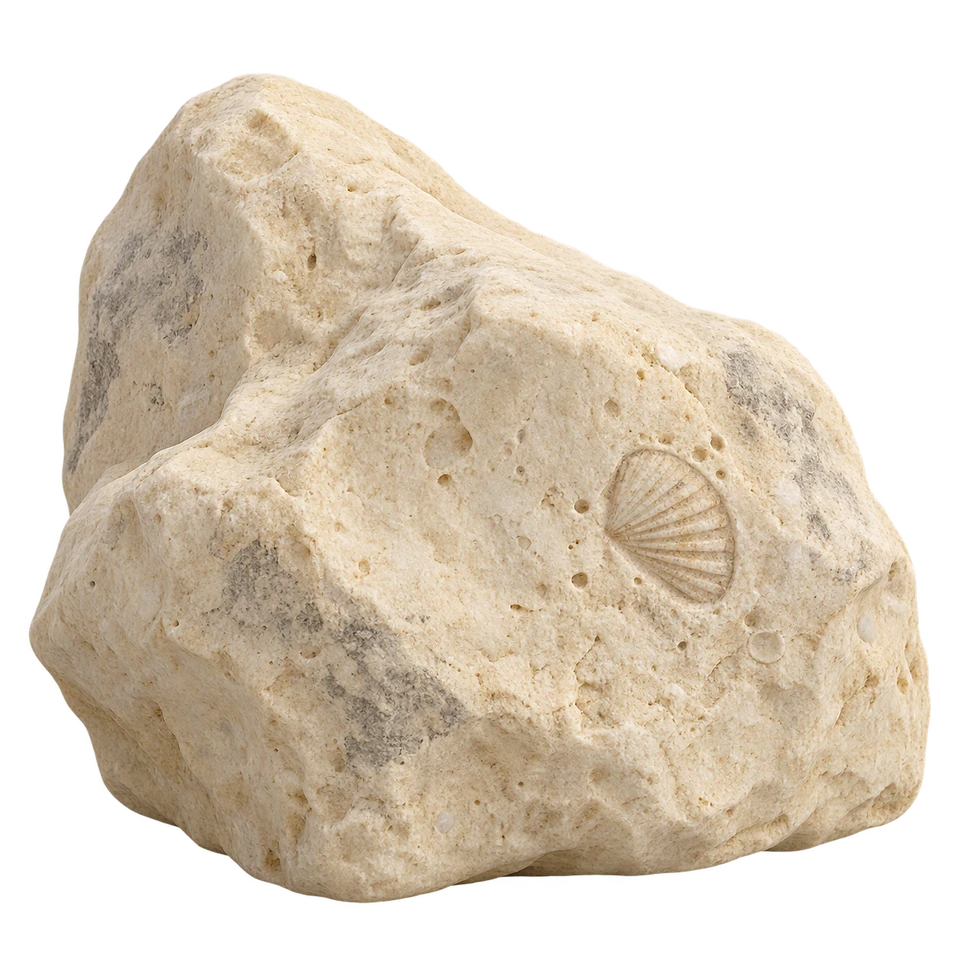
ROCK · 05Limestone
MAYA’S DISCOVERY NOTES
A little clue from the sea
1
Spot a clue
Look closely at the pale rock. Can you find the little shell shape?
2
Make a discovery
Some limestone formed from the remains of sea creatures. A fossil can preserve a clue from long ago.
3
See how we use it
Limestone is used as building stone and as an ingredient in cement. Cement helps hold concrete together.
Look together What shape does the shell remind you of?
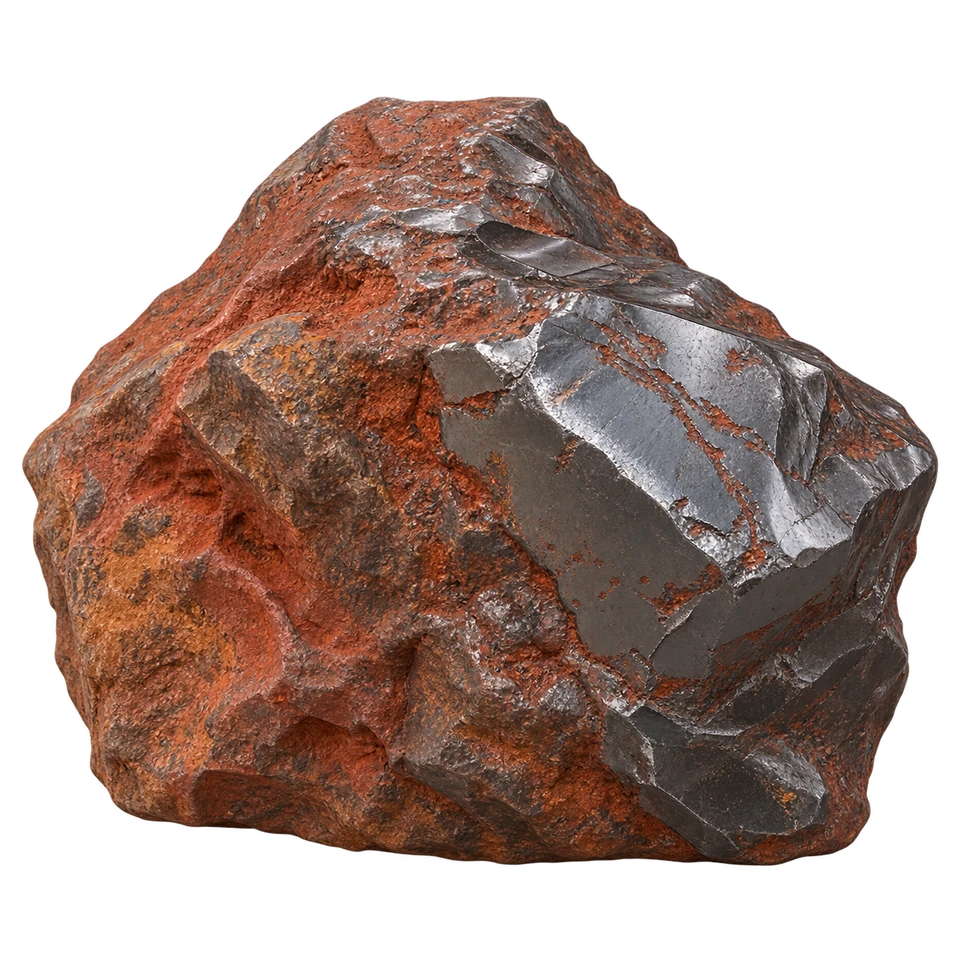
MINERAL · 06Hematite
MAYA’S DISCOVERY NOTES
A clue to strong things
1
Spot a clue
There are rusty red patches and dark shiny parts. Notice how different they look.
2
Make a discovery
Hematite is a mineral containing iron. It is one of the important ores used to make iron.
3
See how we use it
People turn iron into steel for things such as bridges, tools and big machines.
Look together Where have you seen a big machine today?
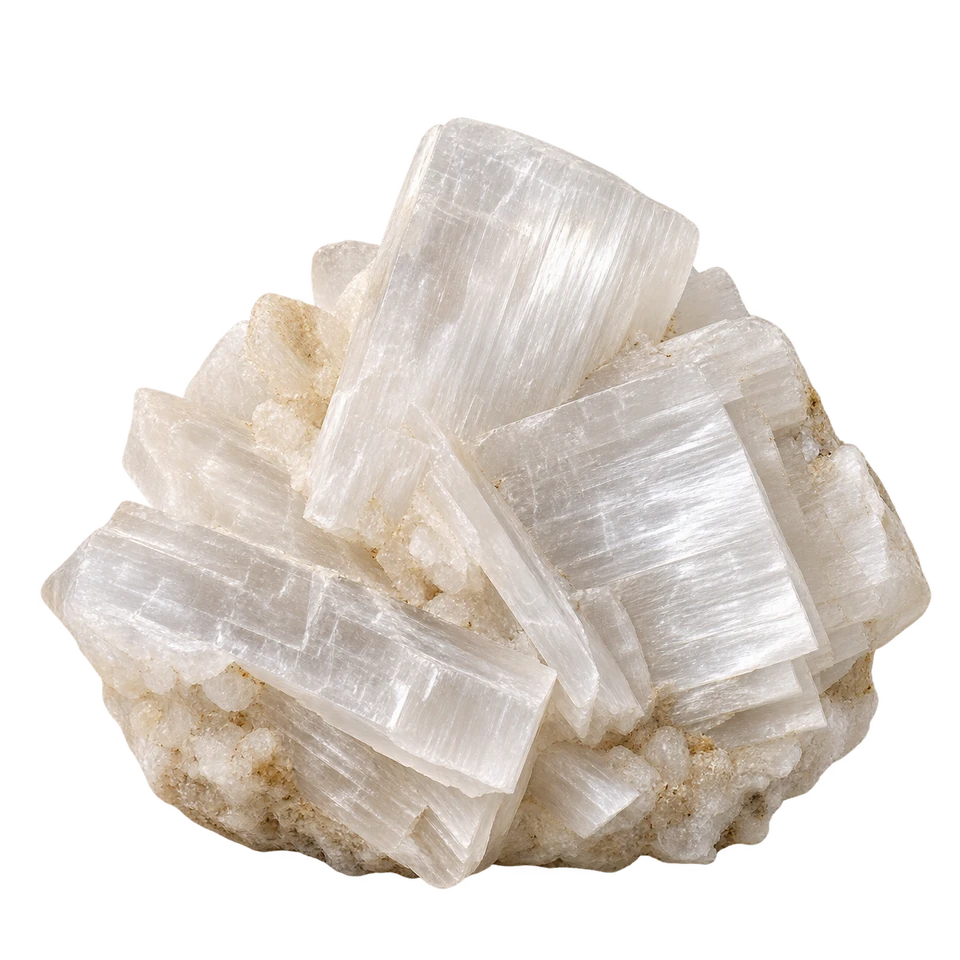
MINERAL · 07Gypsum
MAYA’S DISCOVERY NOTES
From crystals to walls
1
Spot a clue
Look at the pale crystals. Some faces catch the light with a pearly shine.
2
Make a discovery
Gypsum can form as water rich in minerals dries up, leaving crystals behind.
3
See how we use it
People process gypsum to make plasterboard. It is used for many of the walls inside our homes.
Look together Can you spot a flat face on this specimen?
ROCK · 08Slate
MAYA’S DISCOVERY NOTES
Thin layers, big jobs
1
Spot a clue
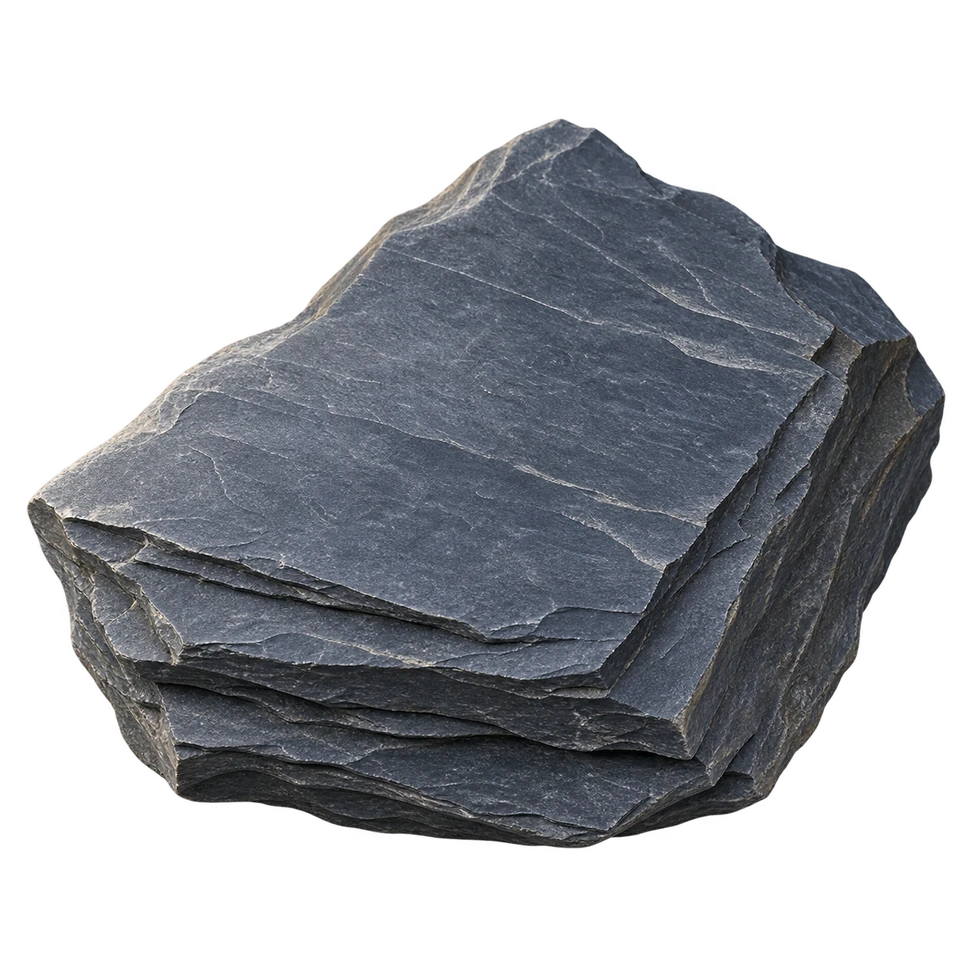
Look along the edge. Can you see the thin, flat layers?
2
Make a discovery
Slate formed when heat and pressure changed an older rock. It can split into thin sheets.
3
See how we use it
People shape slate into roof tiles. Overlapping tiles help keep rain outside.
Look together Can you imagine the layers like pages in a book?
Pyrite1 of 8 discoveries
Choose a rock below, use the arrows, or swipe across the table.
A DISCOVERY FROM EPISODE ONE
Remember the tiny green clue?
In Hugo’s First Big Day, Maya finds a copper mineral in her rock. After lots of different steps, copper can become wire that carries electricity. Explore malachite in our collection to meet another copper mineral.
For grown ups: our collection includes both rocks and minerals. These illustrated examples help us notice clues. Colour alone cannot identify a specimen. Enjoy exploring with a grown up.
About these discoveries and our sources
These are extra website discoveries. They do not all appear in an episode, and the collection is not a guide to identifying a found rock.